
What Falling Out of Love Really Means
Falling out of love is often described as if love simply disappears. One day, two people feel close, and later, the connection seems gone. This explanation may feel simple, but the reality is usually more complicated. Love often weakens gradually through neglect, unresolved hurt, emotional distance, and repeated disappointment.
In many relationships, partners do not stop loving each other all at once. Instead, they stop feeling safe, valued, understood, or appreciated. Small injuries collect over time. Conversations become shorter. Affection becomes less frequent. Problems remain unresolved because discussing them feels exhausting or risky. Eventually, the relationship may feel empty, even though love once existed strongly within it.
Falling out of love can also mean that resentment has begun to overpower affection. When one partner repeatedly feels ignored or criticized, warmth may be replaced by defensiveness. The person may withdraw, not because all love is gone, but because closeness has become associated with pain. Emotional distance becomes a form of protection.
Long term relationships naturally change. Early excitement cannot remain in the same form forever. Passion may become quieter, and companionship may take a greater role. Some couples mistake this transition for the end of love. They compare the present relationship with its beginning and assume something has gone wrong. In reality, mature love often requires more deliberate effort than early romance.
Stress can also create the appearance of lost love. Work pressure, parenting, health concerns, financial worries, and exhaustion can leave little energy for emotional connection. Partners may still care deeply for each other but feel too overwhelmed to express it. Without honest communication, both may wrongly conclude that the relationship has lost its meaning.
Not every relationship can or should be repaired. Betrayal, cruelty, abuse, and repeated disregard may destroy the foundation required for healthy love. However, in many cases, falling out of love is not a final event. It is a warning that the relationship has been deprived of attention, kindness, intimacy, and emotional honesty.
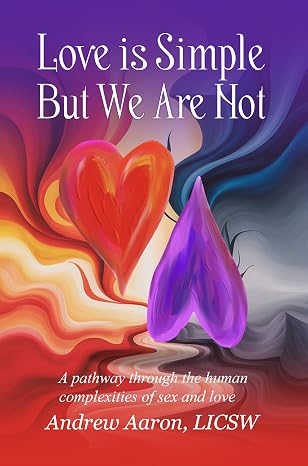
In Love Is Simple, But We Are Not, Andrew Aaron, LICSW, explores the emotional patterns that influence love, sex, conflict, trust, and personal growth. Drawing from years of professional experience, he shows how love can become buried beneath pain and misunderstanding, and why couples must actively protect their connection.
Falling out of love may sometimes mean that love has ended. In other cases, it means that love has been neglected, wounded, or hidden. Understanding the difference can help couples decide whether to let go or begin the difficult work of finding each other again.
Book available on http://www.amazon.com/dp/B0D9DP78TX/.
