
The Difference Between Sex and Intimacy and Why Couples Need Both
Sex and intimacy are often treated as if they mean the same thing. Couples may use the word “intimacy” when they are really talking about sex, while others may assume that having a regular sex life automatically means they share a deep emotional bond. In reality, sex and intimacy are connected, but they are not identical.
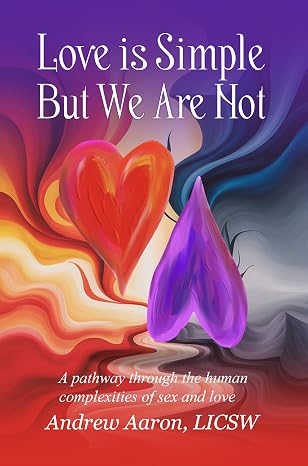 Love Is Simple, But We Are Not: The Pathway Through the Human Complexities of Sex and Love, Andrew Aaron, LICSW, explores this important difference and explains why healthy relationships need both. Drawing on more than three decades of observations from working with couples, Aaron presents love, sex and relationships as opportunities for greater self-awareness, emotional growth and stronger connection.
Sex is a physical expression of desire, pleasure, affection and connection. It can help couples feel close, strengthen their bond and provide a meaningful way to communicate love through the body. However, sex can also become routine, mechanical or emotionally distant when partners are not truly open with each other.
Intimacy goes deeper. It is the willingness to be emotionally known. It develops when partners share their fears, needs, disappointments, hopes and imperfections without hiding behind silence or defensiveness. Intimacy requires trust because being fully seen by another person can feel deeply vulnerable.
Aaron explains that sex can be intimate, but it is not automatically intimacy. Partners may be physically close while remaining emotionally guarded. They may share a bed but avoid honest conversations, unresolved conflict or painful feelings. Without openness, sex may still occur, but it may fail to create the deeper connection both partners desire.
At the same time, emotional intimacy without physical affection can also leave a relationship feeling incomplete. Couples may function well as friends, parents or teammates but gradually lose the passion that distinguishes a romantic partnership from other close relationships. The book emphasizes that physical love, although it may occupy only a small portion of a couple’s time, can carry tremendous emotional importance. A troubled or absent sex life may slowly weaken the bond between partners.
This is why couples need both. Emotional intimacy creates the safety that allows physical closeness to feel relaxed, loving and satisfying. Sex, when supported by affection and trust, can reinforce that emotional connection. Each strengthens the other creating a resilient bond.
Communication plays a central role in maintaining this balance. Couples must be able to talk honestly about their emotional and sexual needs. Avoiding these conversations may reduce temporary discomfort, but it often leads to frustration, loneliness and distance. Aaron describes sex as a team activity that requires cooperation, sensitivity and mutual understanding.
Couples also need to recognize that intimacy changes over time. Stress, parenting, body-image concerns, unresolved hurt and daily responsibilities can affect both emotional openness and sexual desire. Reconnection rarely happens through one romantic gesture. It grows through consistent attention, careful communication, affectionate touch and the willingness to repair problems before resentment takes over.
Love Is Simple, But We Are Not invites readers to look beyond surface-level ideas about romance. Andrew Aaron shows that lasting relationships are built when couples learn to connect emotionally and physically, creating a bond in which both partners feel safe, understood, desired and deeply loved.
